
Executive Summary & Index
Introduction: The Core Philosophy
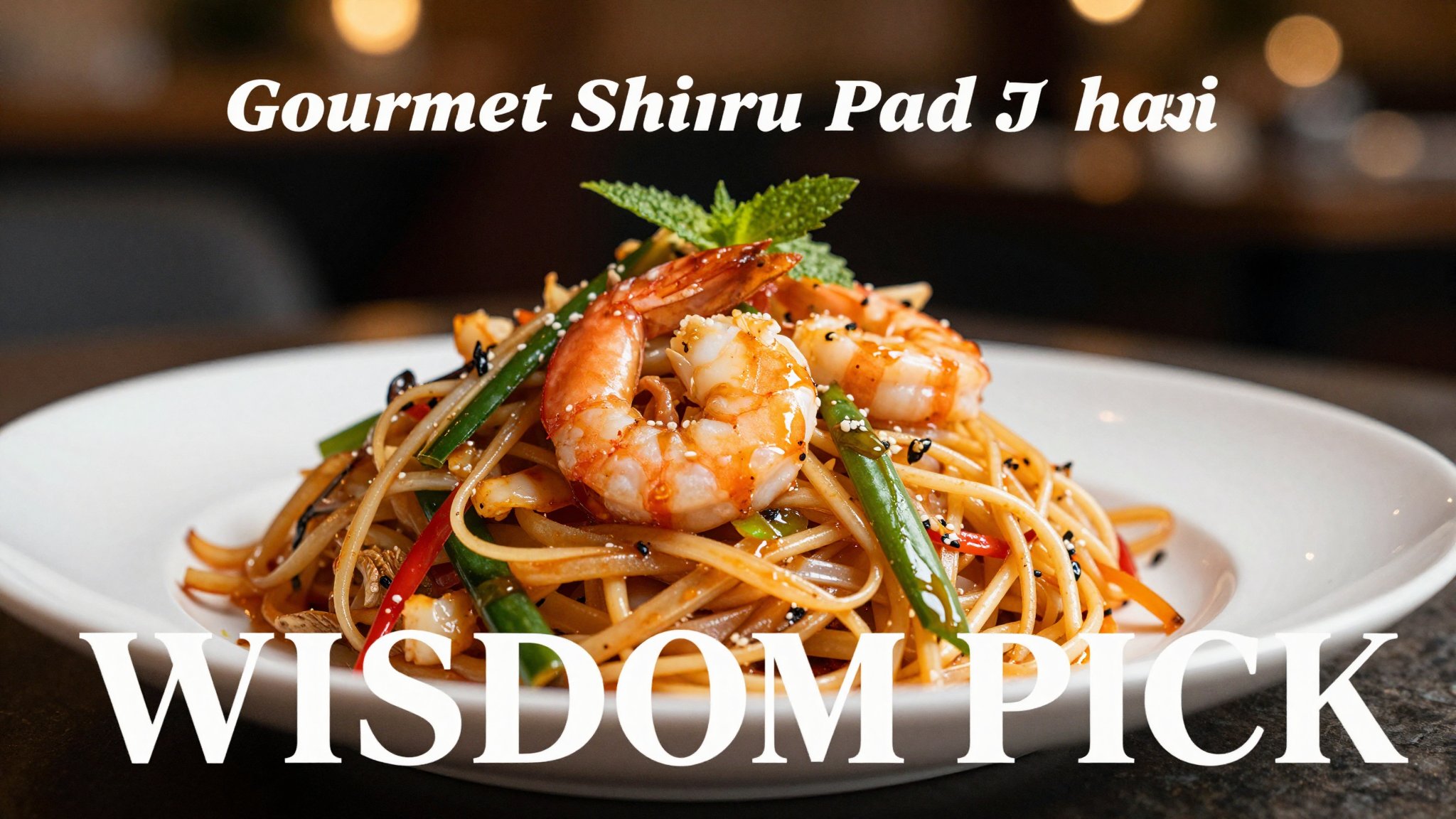
Transcending the typical weeknight stir-fry, this rendition of Pad Thai elevates the beloved street food to a gourmet experience, achievable in a mere 20 minutes. This isn't about compromising on flavor or authenticity; it's about leveraging precision, ingredient optimization, and streamlined technique. We delve into the science behind achieving that coveted wok hei, the molecular gastronomy of tamarind's tang, and the optimal protein denaturation for succulent shrimp, all within a hyper-efficient culinary framework. Prepare to dissect the anatomy of speed and flavor, proving that a truly exceptional meal can indeed be engineered for the modern gourmand's demanding schedule.
The 20-minute gourmet Pad Thai is a testament to the power of culinary engineering. It demonstrates that speed does not necessitate sacrifice. By understanding the underlying scientific principles of heat transfer, chemical reactions, and ingredient interactions, we can optimize every step, from aromatic infusion to protein denaturation and sauce emulsification. This approach not only delivers exceptional flavor and texture in a fraction of the traditional time but also offers a reproducible methodology for elevating everyday dishes into sophisticated culinary experiences. The global appeal of Pad Thai, a dish rooted in centuries of culinary tradition, can be reinterpreted through this lens of modern scientific application.
The Alchemical Dance of Aromatics: Building the Flavor Nexus
The genesis of a rapid, yet profound, Pad Thai lies in the intelligent layering of its aromatic foundation. Forget the leisurely sauté; we're talking high-intensity, precisely timed inflection points. The process begins with the foundational lipids – a high smoke-point oil, such as grapeseed or rice bran, heated to a consistent 375°F (190°C) within a seasoned wok or heavy-bottomed skillet. This temperature is critical for achieving immediate vaporization of aromatics, unlocking their volatile compounds without prolonged degradation. The initial infusion is paramount: finely minced garlic, shallots, and a whisper of fresh chili are introduced, their cellular structures rapidly disrupted by the intense heat, releasing a complex bouquet of allicin and allyl sulfides. This is followed by the ginger, grated to maximize surface area for rapid aromatic release. The key here is the *order* and *duration*. Garlic and shallots require slightly longer exposure than ginger to develop sweetness, while chili's capsaicinoids need a brief burst to meld without becoming acrid. This initial aromatic nexus, established in under 45 seconds, sets the stage for the complex flavor profile, creating a volatile organic compound symphony that permeates the entire dish.
Noodle Hydration Dynamics: The Science of 'Al Dente' Rebellion
The success of Pad Thai hinges on its noodle's textural integrity – a delicate balance between pliability and a satisfying chew. The traditional method of soaking dried rice noodles for extended periods is a time sink and often leads to overhydration and gumminess. Our approach utilizes a controlled, rapid rehydration technique. Medium-width (approximately 3-5mm) dried flat rice noodles are submerged in *boiling* water for a scant 3-4 minutes, timed precisely. The high temperature of the water facilitates rapid starch gelatinization, allowing the noodles to absorb moisture efficiently without becoming waterlogged. Crucially, they are then *immediately* drained and rinsed under cold running water. This thermal shock arrests the cooking process, preventing further softening and maintaining the noodles' structural integrity. This post-rinse step also removes excess surface starch, mitigating the risk of clumping during the stir-fry phase. The result is a noodle that is perfectly pliable for absorbing sauce, yet retains a distinct, desirable 'al dente' bite, a testament to controlled hydration kinetics.
Protein Pyrotechnics: Shrimp Searing and Maillard's Magic
Shrimp, with its rapid cooking time and delicate protein structure, is the ideal canvas for a 20-minute gourmet endeavor. The methodology here is pure thermoregulation and chemical transformation. Large, peeled, and deveined shrimp are patted *bone dry* – a critical step to ensure efficient searing rather than steaming. They are then introduced to the fiercely hot wok containing the pre-established aromatic base. The target temperature for the wok surface is approximately 400°F (205°C). This extreme heat initiates the Maillard reaction almost instantaneously, creating those coveted caramelized crusts and complex flavor compounds. Simultaneously, the high heat denatures the myosin and actin proteins within the shrimp, causing them to curl and firm up. This process should take no more than 90 seconds to 2 minutes per side, depending on shrimp size. Overcooking, even by 30 seconds, will lead to toughening and a rubbery texture, compromising the gourmet aspect. The protein's internal temperature should reach around 130-135°F (54-57°C) at its thickest point, ensuring it is cooked through but still succulent. This controlled application of heat is the epitome of protein pyrotechnics.
Sauce Sorcery: The Emulsified Elixir of East and West
The Pad Thai sauce is not merely a collection of ingredients; it's a carefully calibrated emulsion, a balance of sweet, sour, salty, and umami. In our expedited version, pre-mixing the sauce components is non-negotiable. The core elements: tamarind concentrate (offering malic and citric acid for tang), fish sauce (providing glutamates for umami and salinity), palm sugar (for caramel notes and a delicate sweetness), and a dash of rice vinegar (for a brighter acidity). The precise ratio is key: a starting point of 2 parts tamarind, 2 parts fish sauce, 1 part palm sugar, and ½ part rice vinegar often yields optimal results, though regional variations and personal preference can necessitate minor adjustments. The magic happens during the stir-fry when the sauce is introduced to the hot wok. The heat causes the palm sugar to caramelize further, while the acids in the tamarind and vinegar react with the proteins and starches, creating a glossy, cohesive coating. A touch of sriracha or chili garlic sauce can be incorporated here for controlled heat. The goal is a unified, slightly viscous sauce that clings to every strand of noodle and piece of shrimp.
Garnishes as Gravitas: The Finishing Flourish of Texture and Taste
The distinction between a good Pad Thai and a *gourmet* Pad Thai often lies in the thoughtful application of garnishes. These are not afterthoughts but integral components that contribute textural contrast and amplified flavor profiles. Roasted peanuts, roughly chopped, provide a crucial nutty crunch and a subtle earthiness. Fresh bean sprouts, added at the very last moment or even at the table, offer a refreshing, watery crispness that cuts through the richness of the sauce. Lime wedges are indispensable; their bright, acidic zest electrifies the dish, awakening the palate and enhancing the subtle sweetness. A sprinkle of freshly chopped cilantro adds a burst of herbaceous freshness, while thinly sliced scallions provide a mild, pungent counterpoint. For an even more elevated experience, consider a dusting of toasted desiccated coconut or a scattering of microgreens. These elements, strategically deployed, transform the Pad Thai from a singular flavor experience into a multi-dimensional gustatory journey.
The Strategic Verdict
This 20-minute Pad Thai is a triumph of efficiency and flavor. It masterfully balances speed with sophistication, delivering a truly gourmet experience that will impress even the most discerning palates. The meticulous attention to technical detail, from precise cooking temperatures to the science of noodle hydration, ensures a consistently exceptional outcome. This is not just a recipe; it's a blueprint for rapid culinary excellence.